
Restoration of EP derailment site is nearing completion
Trending
EAST PALESTINE -- Nearly one year into the cleanup process of last year's Norfolk Southern train derailment, the railroad's regional manager of environmental operations Chris Hunsicker said the restoration of the derailment site is nearing completion.
"Our footprint is shrinking," Hunsicker said from the site on Monday. "We still have more work to do but with all impacted soil removed from the site we are in the process of backfilling and restoring the property back to a pre-existing condition. "
Hunsicker did not give a definitive timeline as to when that restoration would be complete but said he expects backfilling to last three or more months. He also said that during the backfilling, confirmatory samples will be collected to verify remediation has been successful.
"We are working through that (timeline) right now, but the biggest thing is making sure we do it right," Hunsicker said. "Really, where we are is that we started the restoration of the project. We are continuing to double check the work and make sure we got everything and there isn't another area that was impacted and make sure we caught it. We got some more work to do in the streams to make sure they are cleaned up and are safe. Once we've determined the water and the soil are good then we will move on to removing the water treatment plant and we can eliminate our footprint here and get everything back to where it was before the derailment."
The restoration or backfilling is the last step in the long remediation process that began weeks following the rail disaster. Over 175,000 tons of contaminated dirt was dug up along approximately 1,900 linear feet of track which spanned just west of Pleasant Drive in the village to the Pennsylvania state line.
The dirt was excavated in gridded areas and the entire site was split up into segregated work areas -- Main Line 1 (the south track), Main Line 1 (north tracks) the centerline (area between the two tracks), burn pits (where the controlled burn took place), north ditch (a tributary to Sulphur Run), south ditch and the areas where cars were dismantled for disposal. The clean-up efforts involved excavating the contaminated soil and digging down until a "safe" sample was obtained.
The soil sampling at the site was conducted with the U.S. Environmental Protection Agency oversight as well as the EPA taking co-located samples. One foot of glacial till was scraped off the top. Visible inspections and screening of the material followed and, if elevated readings were detected, further excavation was conducted. Split samples were taken at depths of 0-2 inches, 12 inches and 24 inches (by hand and with a geoprobe), packaged and shipped off to onsite and offsite laboratories for testing and a 24-hour return. The data was then reviewed the next day by both the federal and state EPA and Norfolk Southern contractors. If any exceedances were detected, work in the grid continued with more excavation. Once the samples were deemed "clean," EPA Incident Commander Ralph Dollhopf still had to agree with the analytics. If he did, a letter to Norfolk Southern to backfill the area was issued.
Hunsicker said the clean soil samples indicate that Norfolk Southern has met its "clean-up goals" at the derailment site.
"It's not just our data. It's the U.S. EPA's data too," he said. "The data shows we've reached our cleanup goals in the water, soil and air."
Hunsicker said the remediation was a collaborative effort, and while Norfolk Southern performed the work, the railroad followed EPA guidance and direction.
"We can't make any decisions by ourselves. Everything we've done was with Ohio and the U.S. EPA agreeing with us," Hunsicker said.
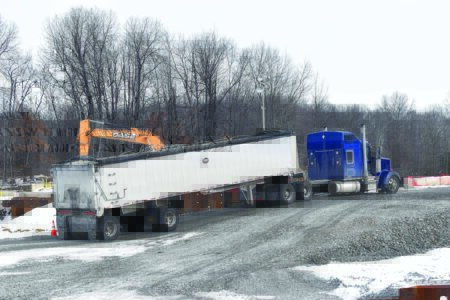
All told, it took about 16,000 truckloads to remove all of the impacted soil from the derailment site. With all the contaminated dirt gone, clean dirt, sand and limestone from local quarries is now being trucked in. Hunsicker explained that the restoration involves backfilling to the surface and then leveling the ground off. The idea is to return the property in identical or better condition than it was before Feb. 3.
Pleased with the progress made and the work that has been completed, Hunsicker said the ultimate goal is to return East Palestine back to normalcy.
"Our focus is to take care of what is going on out here but we need to make sure we don't impact or at the very least minimize our impact so everyone can get back to their normal lives," he said.