
Abolitionist history
Born in New Jersey in 1813, Daniel Howell Hise moved to Salem in 1819 and was a staunch abolitionist. After renovating his family’s homestead, which still stands today at 1100 Franklin Avenue, Hise renamed it Unserheim after a German phrase meaning “our home.” Unserheim would serve as the temporary home for many of the famous abolitionist and advocates for women’s suffrage that visited Salem, and hundreds of men and women fleeing bondage on the underground railroad. Shown is George W. S. Hays as Hise. (Photo by Morgan Ahart)
Famed orator, author, abolitionist, and civil rights advocate Frederick Douglas visited Salem several times and delivered speeches at locations around the city. Douglas was the most photographed American of the 19th century, and his autobiographies galvanized the abolitionist movement throughout the United States. Douglas was also an advocate for woman’s suffrage and the first black U.S. Marshall. Shown is Nathan Richardson as Douglas. (Photo by Morgan Ahart)
-
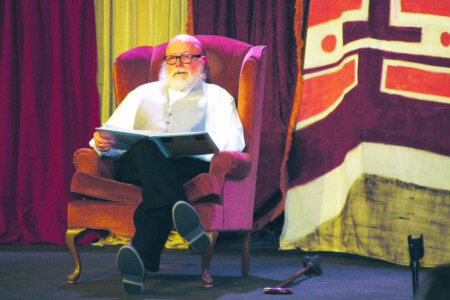
- Born in New Jersey in 1813, Daniel Howell Hise moved to Salem in 1819 and was a staunch abolitionist. After renovating his family’s homestead, which still stands today at 1100 Franklin Avenue, Hise renamed it Unserheim after a German phrase meaning “our home.” Unserheim would serve as the temporary home for many of the famous abolitionist and advocates for women’s suffrage that visited Salem, and hundreds of men and women fleeing bondage on the underground railroad. Shown is George W. S. Hays as Hise. (Photo by Morgan Ahart)
-
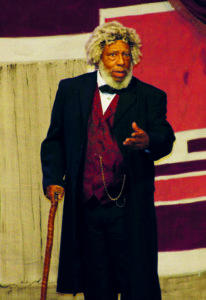
- Famed orator, author, abolitionist, and civil rights advocate Frederick Douglas visited Salem several times and delivered speeches at locations around the city. Douglas was the most photographed American of the 19th century, and his autobiographies galvanized the abolitionist movement throughout the United States. Douglas was also an advocate for woman’s suffrage and the first black U.S. Marshall. Shown is Nathan Richardson as Douglas. (Photo by Morgan Ahart)
Local News
Leetonia BOE accepts donations
LEETONIA — Several hours after concluding its second community chat regarding proposed busing changes, Leetonia ...
Salem council updated on electric rate increases
SALEM—City council was given an update on anticipated electric rate increases during a special meeting ...
Judge seeking Columbiana County Park District board member applicants
LISBON — Probate/Juvenile Court Judge Thomas Baronzzi is looking for a new Columbiana County Park District Board ...
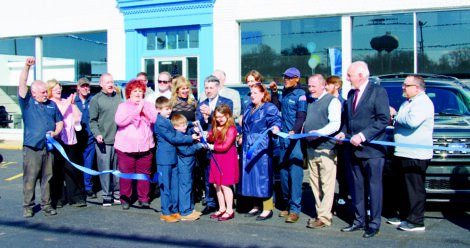
Yalcars grand opening
Abolitionist history
Husted introduces bill requiring parental alerts if children engage in dangerous online interactions
U.S. Sen. Jon Husted, an Ohio Republican, sponsored legislation requiring large social media platforms to permit ...