
Frontier forts played pivotal role in lead-up to and conclusion of American Revolution
Fort Pitt
Fort Necessity
Fort Henry Days
Fort Pitt
Fort Necessity
Fort Henry Days
Trending
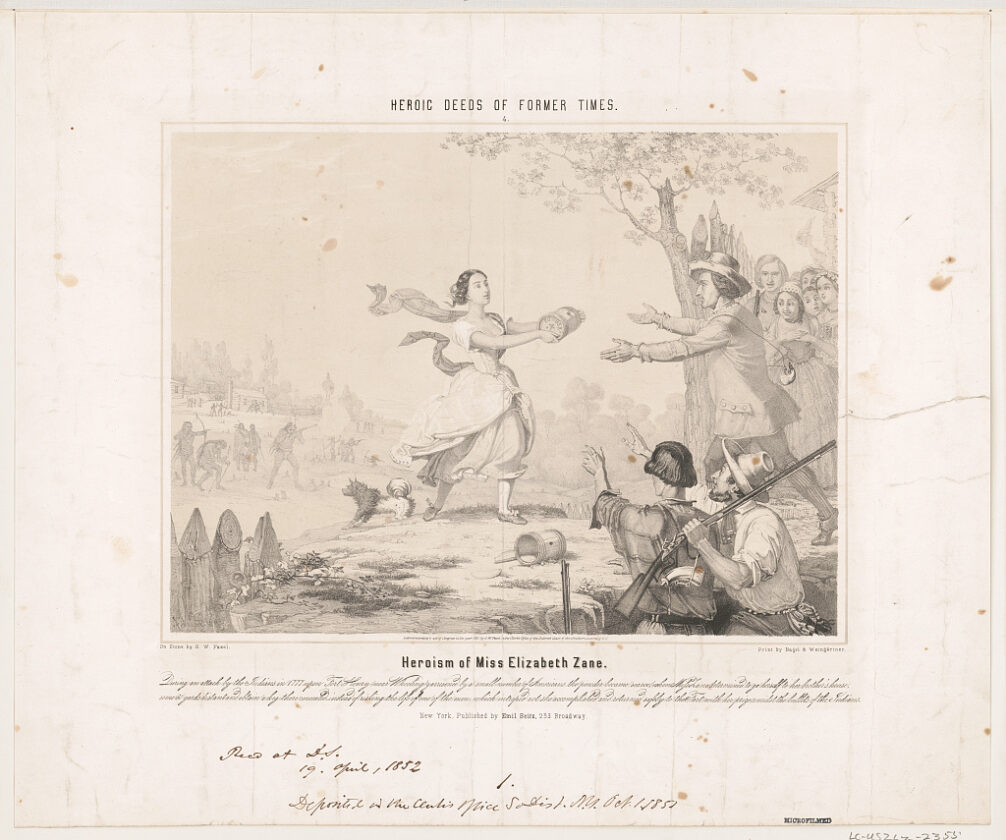
Editor's note: The first few weeks of our America 250 series has focused heavily on the early career of George Washington, the nation's first president and, prior to the American revolution, an officer in the British Army. We touched briefly two week ago on Washington's campaign through Western Pennsylvania -- a campaign that ultimately led to the French and Indian War. This week's installment focuses more deeply on those conflicts and the forts involved, and how after the war's end the British crown more heavily taxed the colonists to pay its war debt, one of the actions that led to the revolution. We also look at Fort Henry in present-day Wheeling, W.Va., at that time a frontier fort on the western front in the state of Virginia. It was the Siege of Fort Henry in September 1782 that many historians believe served as the site of one of the Revolutionary War's final battles, as news of the British surrender at Yorktown had not fully reached all British commands. It was at Fort Henry where Betty Zane made her famous run to a nearby blockhouse to secure gunpowder and help the defenders repel the British and Indian troops.
***
Twenty-two years to the day before the signing of the Declaration of Independence, a young George Washington penned his name in defeat as he surrendered for the first and only time in his storied military career.
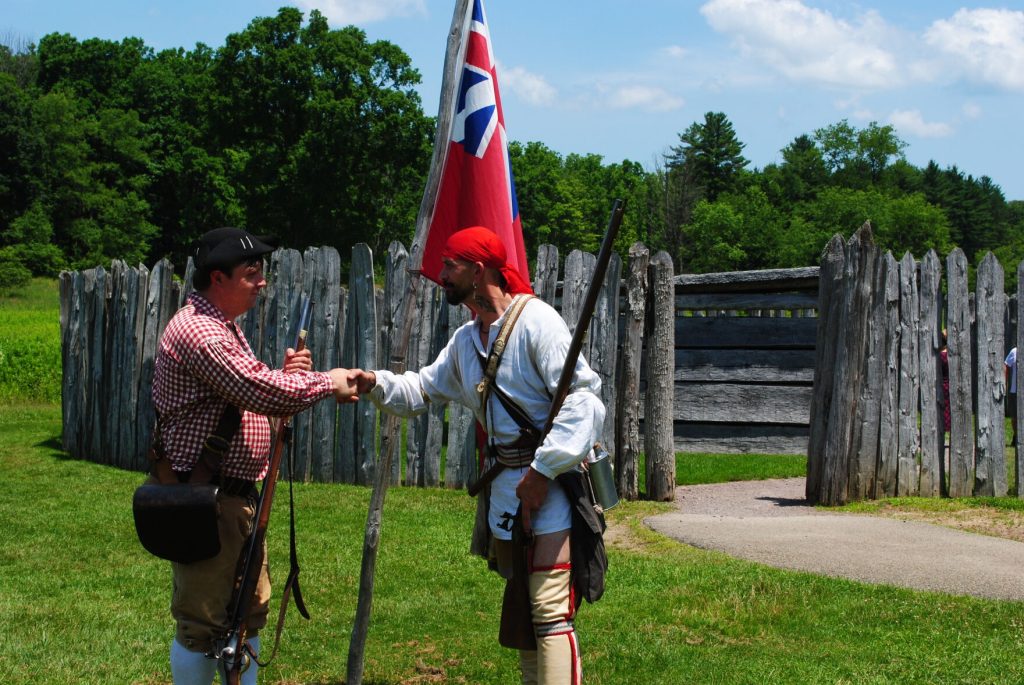
It was at Fort Necessity in the Pennsylvania mountains of present-day Fayette County in the early hours of July 4, 1754, that the 22-year-old lieutenant colonel signed a document he couldn't read, admitting to the assassination of a French officer weeks earlier before he surrendered and marched his Virginia Regiment's forces back home.
A day earlier, his forces had been surrounded and overwhelmed by French soldiers and indigenous people as Washington and his fellow Virginia militiamen tried to repel the attack from the small, circular fort built out of necessity in the "Great Meadows."
Washington had spent time during those years exploring present-day western Pennsylvania attempting to evict the French from the disputed territory and looking for ways to take Fort Duquesne, where Pittsburgh stands today.
Just weeks before the surrender at Fort Necessity, Washington and his men launched a surprise attack on May 28 on a French party of 50 men at what is now known as Jumonville Glen. During the fighting and ultimate surrender by the French, most of the soldiers were killed or wounded and their commander Ensign Jumonville was injured in the battle. But rather than allow Jumonville to leave with his men, a native ally to Washington known as Half-King instead killed him, much to the chagrin of the British.
It was later learned the French were on a diplomatic mission over the territorial dispute with the British, and one of the surviving Frenchmen trekked back to Fort Duquesne, where he told the ghastly tale of Jumonville Glen. That prompted a swift military response from the French, with retribution being carried out at the crudely built Fort Necessity.
Following the lopsided battle on July 3, 1754, terms of surrender were reached but written in French, which Washington could not understand. In the surrender, Washington admitted to assassinating Jumonville, a claim he would later deny and blame his interpreter for not accurately translating the document to him.
Those events set in motion the French and Indian War - also known as the Seven Years War - that became a global conflict that later led to the American Revolution as Great Britain instituted a number of taxes on the colonies to pay down the war's debt.
Washington returned to the area the following year in 1755 with Gen. Edward Braddock in an effort to take Fort Duquesne. But they were repelled and swiftly defeated near the Monongahela River by the French and the indigenous warriors who had aligned themselves with them. Braddock was killed -- his body was buried beneath the road not far from the site of Fort Necessity -- and Washington marched the troops back in retreat.
But the British still had their eyes on taking the Forks of the Ohio, where they could control not just the frontier but also river trade across the western half of the continent.
Fort Ligonier -- about 50 miles southeast of Pittsburgh -- was built in 1758 as part of the fort hopping expedition by Gen. John Forbes to finally take Fort Duquesne. Other forts built during the "Forbes campaign" included Fort Juniata Crossing near present-day Breezewood, Pa., and Fort Bedford, giving the British forces strategic locations to resupply on their western march from the coast.
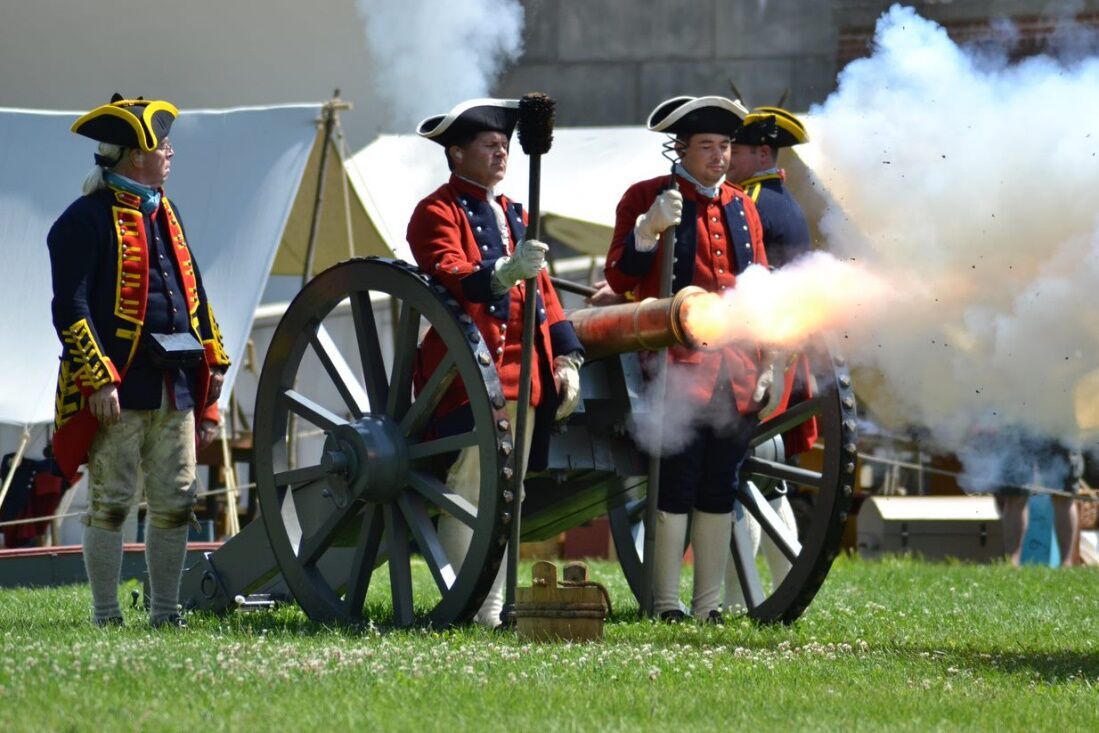
By November 1758, the British were ready to attack again and marched toward Fort Duquesne, which the French abandoned and burned rather than face a losing battle just before the British arrived Nov. 24, 1758, and claimed the point. Forbes renamed the point after William Pitt, who was the British secretary of state at the time and later prime minister. Fort Pitt was constructed from 1759 until its completion in 1761.
The massive military complex was key to the British control of the western frontier and its waterways, and it repelled attacks by natives in 1763 during Pontiac's War. It was later a staging fort during Dunmore's War in 1774 before being converted into an American military installation during the Revolutionary War.
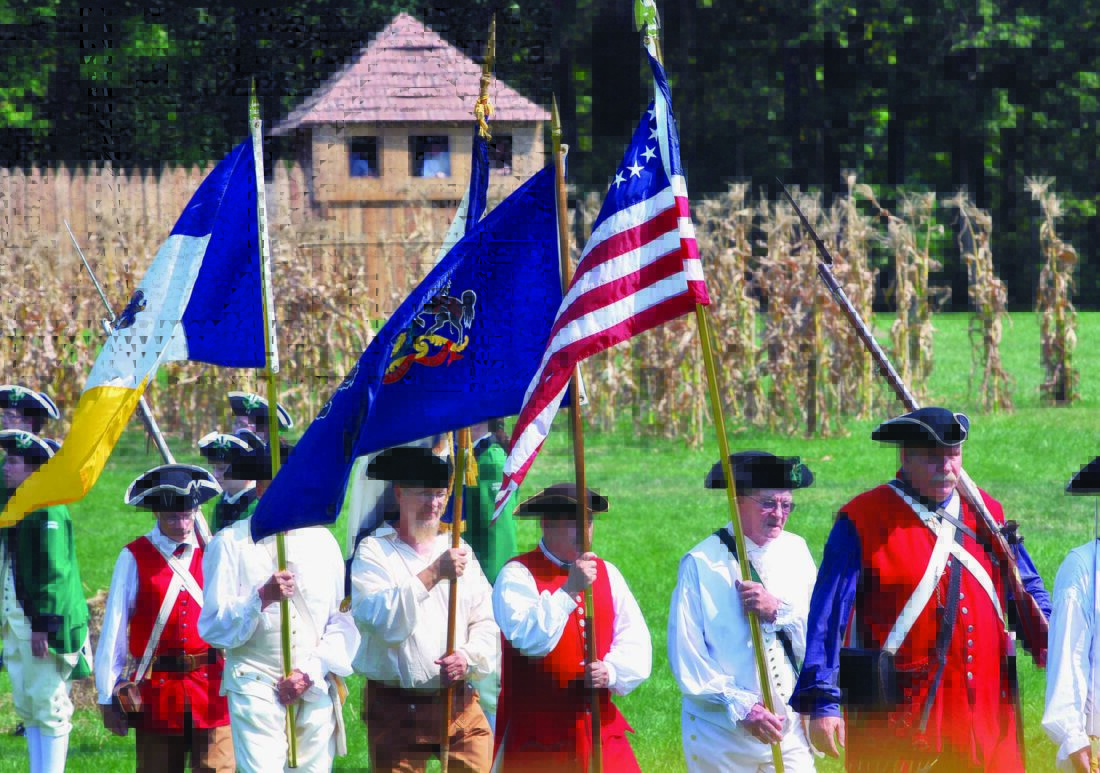
On the eve of the Revolutionary War, just down the Ohio River from Pittsburgh sat Fort Henry, which was built in present-day Wheeling in 1774. Originally built by British Col. William Crawford under the direction of Virginia royal governor Lord Dunmore, it was first known as Fort Fincastle, but later was renamed after founding father Patrick Henry, who would also serve as Virginia's governor in the midst of the revolution.
Fort Henry was mostly used as a refuge for settlers to ward off attacks by native people that wanted the colonists off their land. Similar forts were built for the same reasons in Pennsylvania, such as Doddridge's Fort near Avella and Garard's Fort in Greene County, where a gruesome massacre of the Corbly family led many settlers to demand more protection from their government leaders living on the more populated east coast.
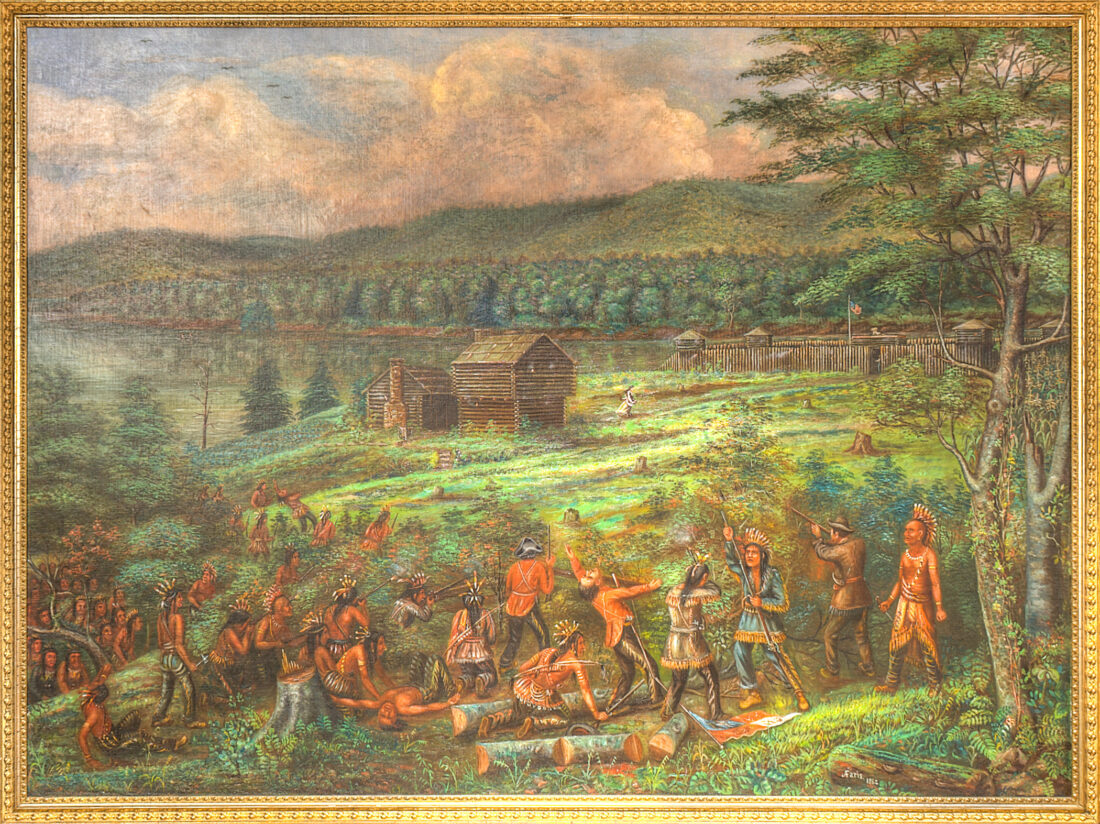
Fort Henry twice was attacked by Native American forces allied with the British. The first attack came in 1777 and then the final attack over three days in September 1782. The latter battle came almost a year after the British surrendered at Yorktown.
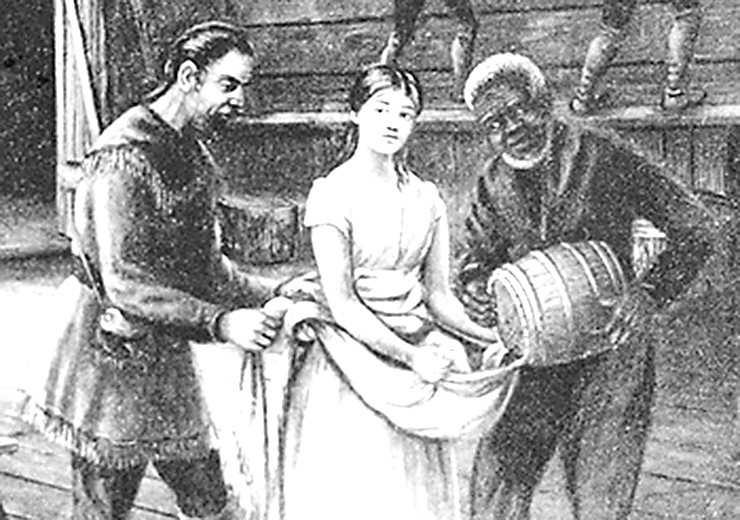
The 1782 siege is most noted for the actions of Betty Zane, considered to be the "heroine of Fort Henry." With battle raging on the second day, the fort's defenders ran out of gunpowder. With more stored nearby at Ebenezer Zane's blockhouse, Betty Zane volunteered to retrieve it. She reached the blockhouse safely, then ran back under heavy fire, returning unharmed with the gunpowder and saving the fort.
While no major battles during the revolution were fought in western Pennsylvania or in present-day West Virginia, those British forts on the western frontier - especially those built during the French and Indian War - played a pivotal role in the lead-up to revolution.
Over our next several installments we'll head into the post-revolution era and delve into the growth and development of a new nation. We will begin in Eastern Ohio, at East Liverpool, where the Seven Ranges survey began to start mapping the western front.